
Avshalomov/Bernstein 6: The Jeremiah Symphony
Posted on January 28, 2019
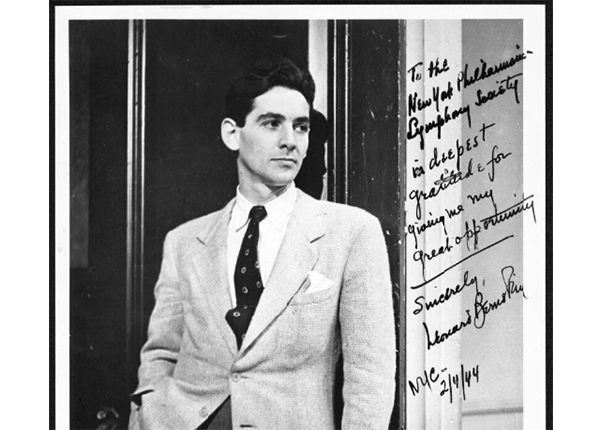
Since so much has been written and documented about Bernstein’s work, this blog will focus more on Avshalomov; the discussion of the piece at leonardbernstein.com is the best single source on the Jeremiah and its context.
I’ll add only that although the third movement, “Lamentation”, which was originally written as a standalone piece, receives most of the attention, the second movement “Profanation”, also stands out. In “Profanation” you can hear the Broadway Bernstein, as it were. Hints of the iconic musicals West Side Story and On the Town flit in and out of the movement; jazz deployed to express pagan corruption and rejection of the call of prophecy, which brings on the destruction of Jerusalem by the Babylonians, is a significant choice.
It’s as if Bernstein wanted to include a more “American” (specifically African-American-inspired) sound, but had conflicting feelings about it so he situated it in a movement about sin and distance from God. Bernstein would often say that he was terrified that he’d be remembered as “the guy who wrote West Side Story”; the movement can be seen almost as a diagram of the tension between these two aspects of his musical personality.
Regarding the significance of the “Lamentation”, Burton offers this reflection on Bernstein’s staunch refusal to end with a more optimistic final movement:
“The concentration on a narrow range of emotions is the symphony’s strength. It remains unequalled among mid-twentieth-century symphonies for the fervor with which it reaches out to audiences. Bernstein emerges from it as both a first-generation American and a modern Jew, unencumbered by the trappings of Orthodoxy, but firm in his Jewish inheritance. He leaves the listener in no doubt as to his anger at the way that legacy was destroyed by persecution and his believe that through tenderness and love a lost faith can eventually be restored. ‘How long more wilt Thou forsake us?’ asked Jeremiah in his Lamentation. ‘Turn us unto Thee, O Lord.” Bernstein set those lines, among the most hauntingly beautiful in the Hebrew tongue, in 1939, years before the Nazis put into operation their ‘Final Solution.’ Bu by the time of symphony’s performances in 1944 and 1945 the dreadful relevance to the Holocaust was becoming clear.”
(Burton, pp. 125-126).
Bernstein was quite explicit about this connection, and positioned the symphony as his contribution to fighting the Fascists, since he was unable to do it in person: “When his Jeremiah Symphony was premiered in Pittsburgh he spoke to the press about his sense of identification with Jews in Europe and their terrible plight at the hands of the Nazis….”How can I be blind to the problems of my own people? I’d give everything I have to be able to strike a death blow at Fascism.” (Burton, p. 123)
The Jeremiah was an immediate success; the writer and composer Paul Bowles, who had collaborated with Bernstein a few years before, gushed, “it outranks every other symphonic product by any American composer of the younger generation.” Virgil Thomson, composer and critic, engaged in the 1940s ‘highbrow’ version of throwing shade: “It is not a masterpiece by any means, but it has solid orchestral qualities and a certain charm that should give it a temporary popularity” (!). Despite Thomson’s catty dismissal, the Jeremiah won the 1944 New York Music Critics Circle Award (a point of similarity with Avshalomov; see below), became Bernstein’s signature work for many years, and to this day, is a spectacular event whenever it is performed.
Below is the text of the verses sung in the third movement, taken from Lamentations (courtesy of Wikipedia):
Hebrew text
Lamentations 1:1-3
אֵיכָ֣ה ׀ יָֽשְׁבָ֣ה בָדָ֗ד הָעִיר֙ רַבָּ֣תִי עָ֔ם הָֽיְתָ֖ה כְּאַלְמָנָ֑ה רַבָּ֣תִי בַגּוֹיִ֗ם שָׂרָ֨תִי֙ בַּמְּדִינ֔וֹת הָֽיְתָ֖ה לָמַֽס׃
בָּכ֨וֹ תִבְכֶּ֜ה בַּלַּ֗יְלָה וְדִמְעָתָהּ֙ עַ֣ל לֶֽחֱיָ֔הּ אֵֽין־לָ֥הּ מְנַחֵ֖ם מִכָּל־אֹֽהֲבֶ֑יהָ כָּל־רֵעֶ֨יהָ֙ בָּ֣גְדוּ בָ֔הּ הָ֥יוּ לָ֖הּ לְאֹֽיְבִֽים׃
גָּֽלְתָ֨ה יְהוּדָ֤ה מֵעֹ֨נִי֙ וּמֵרֹ֣ב עֲבֹדָ֔ה הִ֚יא יָֽשְׁבָ֣ה בַגּוֹיִ֔ם לֹ֥א מָֽצְאָ֖ה מָנ֑וֹחַ כָּל־רֹֽדְפֶ֥יהָ הִשִּׂיג֖וּהָ בֵּ֥ין הַמְּצָרִֽים׃
Lamentations 1:8
...חֵ֤טְא חָֽטְאָה֙ יְר֣וּשָׁלִַ֔ם
(אֵיכָ֣ה ׀ יָֽשְׁבָ֣ה בָדָ֗ד הָעִיר֙... כְּאַלְמָנָ֑ה)
Lamentations 4:14-15
נָע֤וּ עִוְרִים֙ בַּֽחוּצ֔וֹת נְגֹֽאֲל֖וּ בַּדָּ֑ם בְּלֹ֣א יֽוּכְל֔וּ יִגְּע֖וּ בִּלְבֻֽשֵׁיהֶֽם׃
...ס֣וּרוּ טָמֵ֞א קָ֣רְאוּ לָ֗מוֹ ס֤וּרוּ ס֨וּרוּ֙ אַל־תִּגָּ֔עוּ
Lamentations 5:20
...לָ֤מָּה לָנֶ֨צַח֙ תִּשְׁכָּחֵ֔נוּ
...לָנֶ֨צַח֙... תַּֽעַזְבֵ֖נוּ
Lamentations 5:21
...הֲשִׁיבֵ֨נוּ יְהוָ֤ה ׀ אֵלֶ֨יךָ֙
Transliteration
Lamentations 1:1-3
Eicha yashva vadad ha-ir rabati am hay’ta k’almana, rabati vagoyim sarati bam’dinot hay’ta lamas.
Bacho tivkeh balaila v’dim’ata al leḥeya; ein la m’naḥem mikol ohaveha, kol re’eha bag’du hayu lah l’oy’vim.
Galta Y’huda me’oni, umerov avodah, hi yashva vagoyim, lo matsa mano-aḥ; kol rod’feha hisiguha ben hamitsarim.
Lamentations 1:8
Ḥet ḥata Y’rushalayim
(Eicha yashva vadad ha-ir ...k’almana.)
Lamentations 4.14-15
Na-u ivrim baḥutsot, n’go-alu badam, b’lo yuchlu yig’u bilvushehem.
Suru tame kar’u lamo, suru, suru, al tiga-u…
Lamentations 5:20-21
Lama lanetsaḥ tishkaḥenu…
Lanetsaḥ... taazvenu…
Hashivenu Adonai eleḥa
English translation
CHAPTER 1.1-3
How doth the city sit solitary,
That was full of people!
How is she become as a widow?
She that was great among the nations.
And princess among the provinces.
How is she become tributary!
She weepeth sore in the night,
And her tears are on her cheeks;
She hath none to comfort her
Among all her lovers;
All her friends have dealt treacherously with her,
They are become her enemies.
Judah is gone into exile because of affliction.
And because of great servitude;
she dwelleth among the nations,
she findeth no rest.
all her pursuers overtook her
Within the narrow passes.
CHAPTER 1.8
Jerusalem hath grievously sinned…
How doth the city sit solitary
...a widow.
CHAPTER 4.14-15
They wander as blind men in the streets,
they are polluted with blood,
so that men cannot
touch their garments.
Depart, ye unclean! they cried unto them,
Depart, depart! touch us not…
CHAPTER 5.20-21
Wherefore dost thou forget us forever,
and forsake us so long time?...
Turn thou us unto thee, o lord…
Next: The Taking of T’ung Kuan 1
Carolyn Talarr, Community Programs Coordinator
0 Comments :